
Why Do We Sign Credit Card Receipts?

Reggie Jacobs
Founder of Receipt Maker & Document Management Expert
Credit card networks stopped requiring signatures in 2018, yet many stores still ask. Here's why this outdated ritual persists and when it actually matters.

The Reality
Signatures aren't required anymore, but they still appear:
- Not required: Major networks (Visa, Mastercard, Amex, Discover) stopped requiring signatures in April 2018
- EMV chips provide security: Dynamic transaction codes are more secure than handwritten signatures
- Why restaurants still use them: To capture tips - you write tip amount and sign, then they adjust the transaction later
- Why some stores still ask: Outdated POS systems, security theater, or merchant preference
The future: Biometric authentication (Apple Pay, Google Pay) is replacing signatures entirely.
You are at a restaurant dinner with friends. The bill arrives. You hand over your card. The server returns with a slip of paper and a pen. You scribble something that looks vaguely like your name.
Why do we still do it?
For decades the signature was the primary way to prove you were who you said you were. It was the ironclad seal on a contract between you and the bank.
But in a world of facial recognition and cryptographic chips that scribble on a receipt feels like a relic.
Here is the truth. The major credit card networks stopped requiring signatures years ago. If you are still signing it is usually because of outdated software or a business owner who refuses to let go of the past.
Let's dig into why this ritual persists and why it is finally disappearing.
The History: Why Signatures Were Once Mandatory
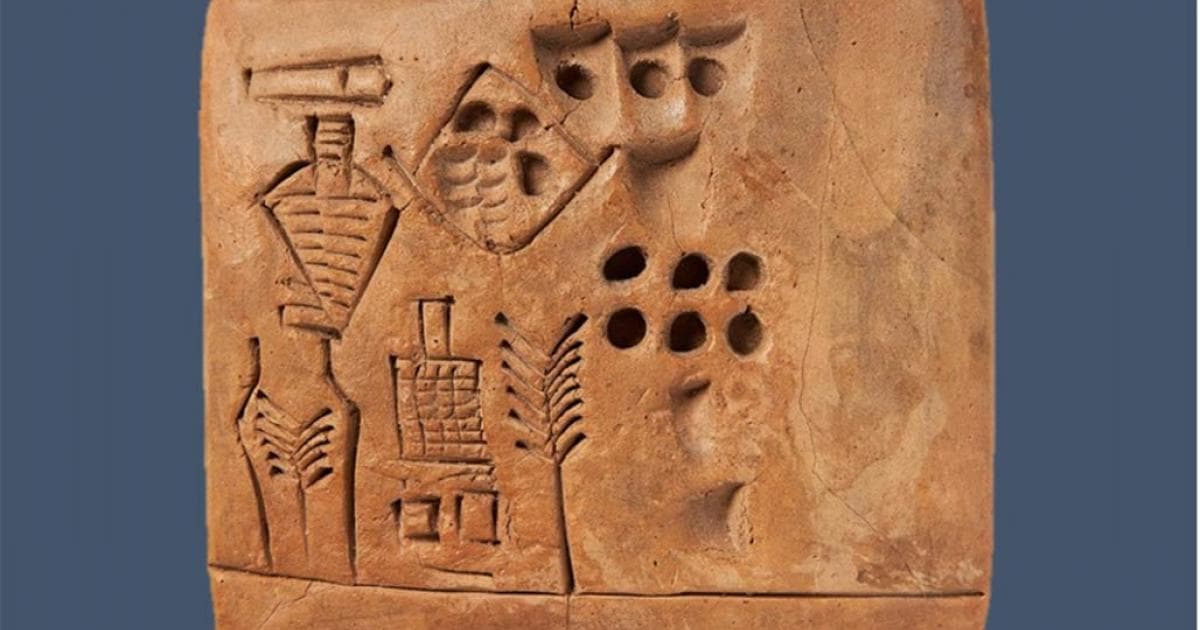
In the early days of credit cards the plastic rectangle was just a tool to imprint numbers onto carbon paper. The transaction was physical. The merchant took an imprint of your card and you signed the document to validate the debt.
The signature served two main purposes.
Identity Verification The cashier was supposed to flip your card over and compare the back of the card to the receipt. If the loops and swoops matched the transaction was valid. This was always a flawed system. Cashiers are not handwriting experts. Most of the time they barely looked.
The Contract The signature was your legal acknowledgment of the debt. It was evidence the bank could use if you later claimed you never made the purchase. It shifts the liability. If a fraudster uses a stolen card and forged a signature the merchant often ends up losing the money because they failed to verify it.
The Shift: How Technology Killed the Signature
The magnetic stripe arrived in the 1970s and made things faster but not necessarily safer. The real change happened recently.
In April 2018 the four major credit card networks: Visa, Mastercard, American Express, and Discover, officially announced they will no longer require signatures for transactions in North America.
The Rise of the EMV Chip
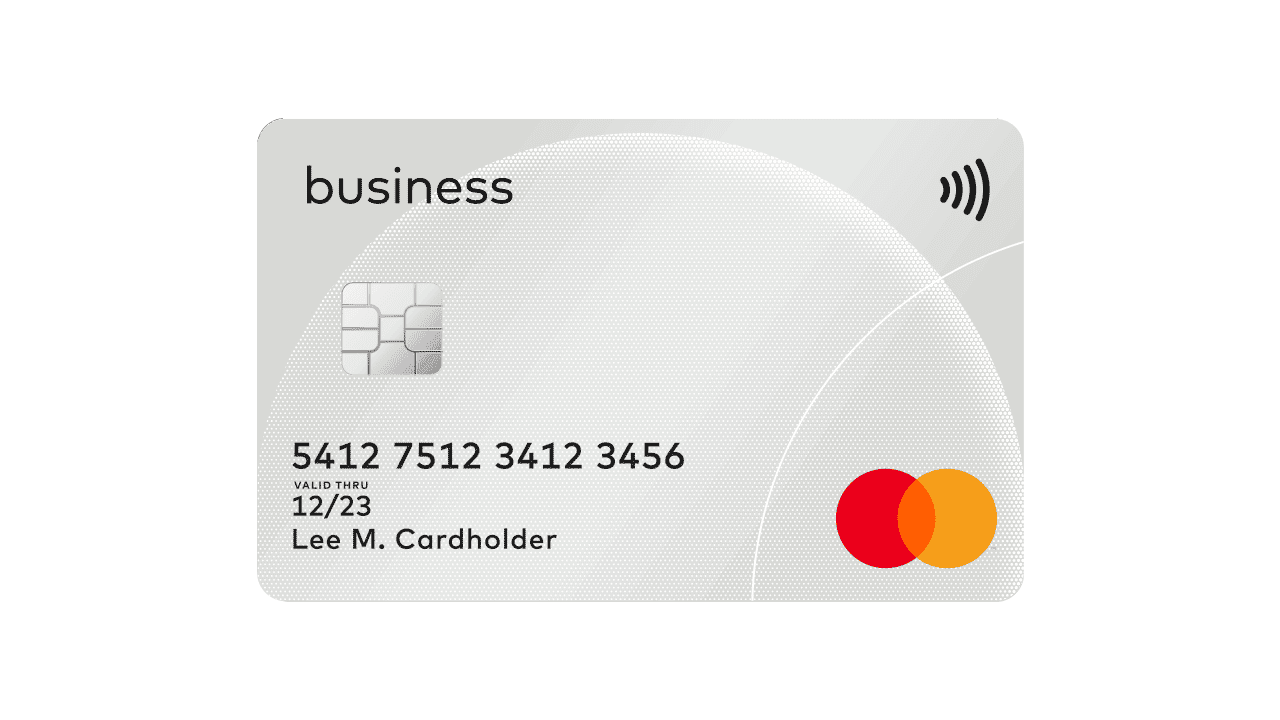
You likely have a small metallic square on the front of your card. This is the EMV chip. EMV stands for Europay, Mastercard, and Visa.
Unlike the magnetic stripe which contains static data that can be easily copied the chip creates a unique transaction code every time you use it. If a hacker steals that code it is useless for any future transaction.
This technology is incredibly secure. It is so secure that the card networks decided the signature was no longer adding any value. The chip proves the card is authentic better than a scribble ever could.
Speed and Efficiency
Eliminating the signature speeds up the checkout line.
Target and Walmart realized that shaving ten seconds off every transaction adds up to millions of dollars in efficiency gains over a year. When you multiply those seconds by millions of customers you get shorter lines and happier people.
Why Do Some Stores Still Ask You to Sign?
You might be wondering why you still have to sign at your local diner or independent bookstore if the rules changed in 2018.
The networks stopped requiring it. They didn't ban it. Merchants can still ask for a signature if they want to.
Here are the three main reasons you still see that signature line.
The Restaurant Tipping Loophole
This is the most common reason in the United States.
Most restaurants in the US use a "tip adjust" process. They run your card for the meal amount and bring you a receipt. You write in the tip and sign it. Later that night the manager updates the transaction total to include the tip.
The signature on that paper confirms the final amount. Without paying at the table devices servers need a way to capture that tip information before you leave. Until restaurants upgrade to portable terminals that you use at the table the paper receipt is not going anywhere.
Outdated Point of Sale Systems
Upgrading payment terminals is expensive.
A small business owner might have bought a Point of Sale system ten years ago. It works fine. It processes payments. But the software is hardcoded to ask for a signature.
For these merchants it is simply not worth the cost to upgrade their hardware just to remove a ten second step for the customer. They print the slip because the machine tells them to.
High Value Transactions and Security Theater
Some businesses deal in high risk goods. Jewelry stores or coin dealers often require signatures regardless of network rules.
They do this for psychological reasons. It is called security theater. When a customer has to physically sign for a $5,000 watch it feels more serious. It signals to the customer that the merchant is careful.
Some business owners also believe incorrectly that the signature will save them during a chargeback dispute. While digital evidence is far superior today having a physical paper trail gives them peace of mind.
The Future of Payments
The physical credit card itself is slowly becoming optional.
Mobile wallets like Apple Pay and Google Pay use biometric authentication. Your face or your fingerprint approves the purchase. This is the ultimate form of signature. It proves you are physically present and authorizing the payment in a way a pen never could.
We are moving toward a contactless future. In many parts of Europe and Asia signatures have been dead for years. They use "Chip and PIN" where you enter a code instead of signing. The US skipped the PIN and went straight to the signatureless chip but the destination is the same.
Frictionless payments are the goal.
What If You Lose a Receipt?
Sometimes you need that paper trail for your own records. You might lose a receipt for a business expense or a tax deduction.
If you find yourself in a bind where you truly lost a receipt you can use a tool like Receipt Maker to generate a replacement for your files. It helps you keep your accounting straight without digging through trash cans.
Summary
We are in a transition period. The technology to secure our money has evolved from ink on paper to dynamic digital cryptography.
- Signatures are not required by card networks anymore.
- EMV chips handle the security that signatures used to provide.
- Restaurants and small businesses still use them due to tipping mechanics and old hardware.
- Biometrics are the new standard for identity verification.
The next time you are asked to sign just remember you are participating in a fading ritual. It is a leftover habit from a time when plastic money was new and trust had to be written in ink.
Frequently Asked Questions
Does signing a receipt actually prevent fraud? Not really. Cashiers rarely check signatures against the back of the card. Modern fraud prevention relies on chip technology and real time data analysis rather than handwriting matching.
What happens if I refuse to sign the receipt? In most cases nothing. If the transaction is under a certain amount usually $25 or $50 the merchant might just wave you through. However a merchant does have the right to refuse service or cancel the transaction if you refuse to follow their store policy.
Do I still need to sign the back of my credit card? Technically yes. Your cardholder agreement likely states the card is not valid unless signed. However in practice almost no one checks this anymore.
Why do I have to sign for a tip at a restaurant? Restaurants authorize the card for the meal amount first. The written tip and signature provide the authorization for them to adjust the final amount later. This confirms you agreed to the extra charge.
Related Articles
What Is an Itemized Receipt
An itemized receipt lists every product or service in a transaction with individual prices. Learn why it's essential for tax deductions, reimbursements, and audits.
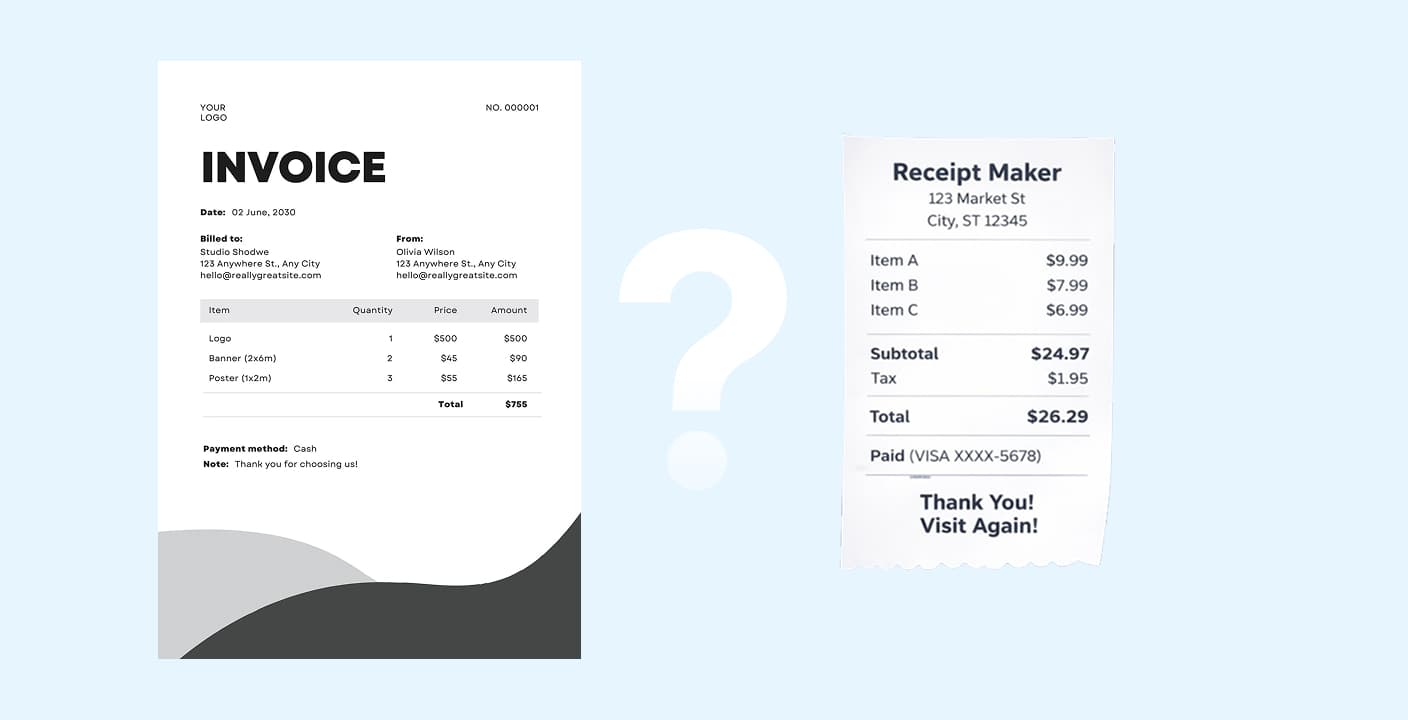
Invoice vs Receipt: What's the Difference?
An invoice requests payment before money changes hands. A receipt confirms payment after it's complete. Mixing them up can delay payments and cause tax audit problems.