
Why Do People Keep Receipts? 12 Financial and Legal Reasons

Reggie Jacobs
Founder of Receipt Maker & Document Management Expert
Wondering why do people keep receipts? We break down 12 critical reasons ranging from tax audits and incentives to budgeting and resale value.
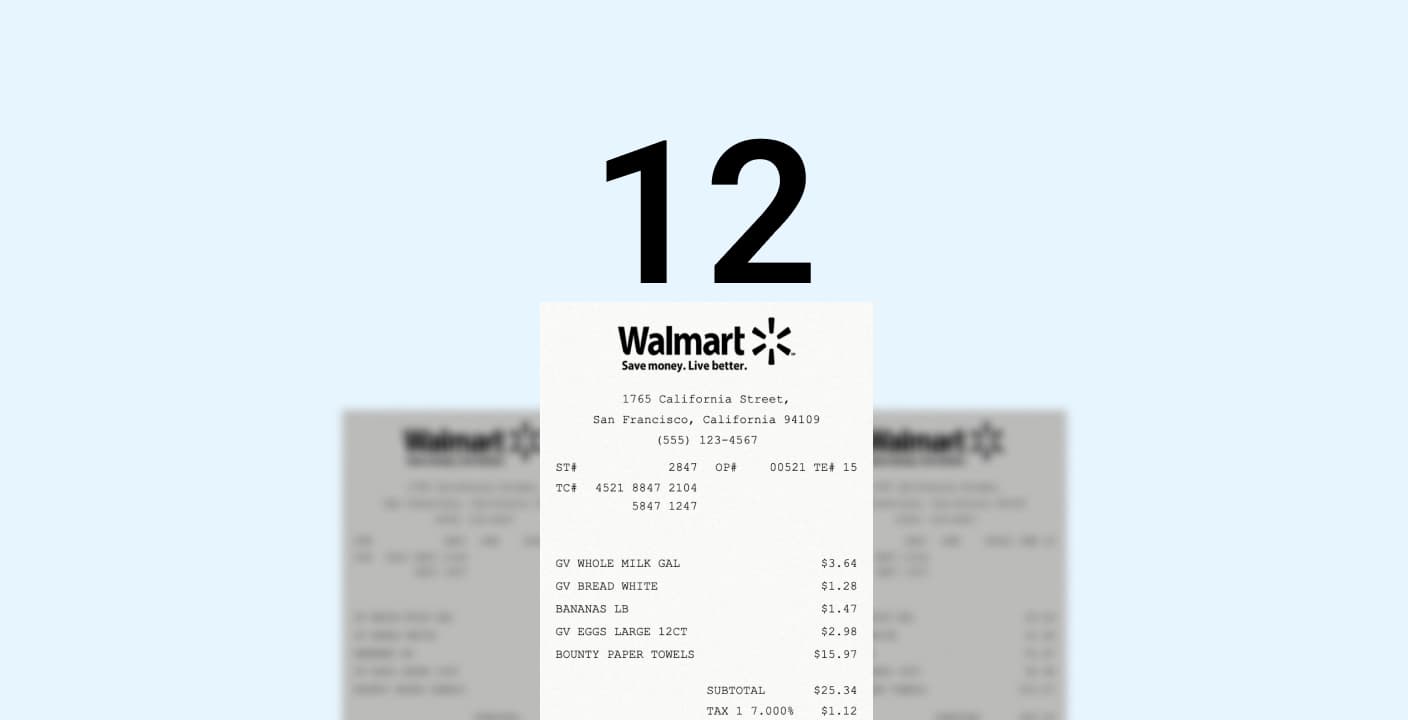
Top Reasons to Keep Receipts
12 critical reasons people keep receipts:
- Tax deductions & audits: IRS requires proof for business expenses (keep 3-7 years)
- Returns & exchanges: Most stores require proof of purchase
- Warranty claims: Prove purchase date to activate manufacturer warranties
- Employee reimbursements: Companies need receipts to process expense claims
- Insurance proof: Establish ownership and value for claims (floods, theft, etc.)
- Budgeting: Track spending and identify budget leaks
- Rebates & rewards: Scan receipts into apps like Fetch and Ibotta for cash back
Retention guide: Tax receipts (3-7 years), major assets (indefinitely), everyday purchases (30 days or less).
Why Do People Keep Receipts? 12 Financial and Legal Reasons
We have all been there. You open your wallet or check your pockets and you find a crumpled piece of paper from a coffee shop visit three weeks ago. It makes you wonder if it is time to declutter. But then a thought stops you. What if I need this?
The truth is that receipts are more than just waste paper. They are data points. They are proof. For many people they are the difference between a stress free tax season and a nightmare audit.
If you are trying to figure out why do people keep receipts or which ones you actually need to save then this guide is for you. We are going to look at the financial, legal, and practical reasons to hold onto those slips of paper.
12 Reasons Why People Keep Receipts
It is not just about hoarding paper. There are legitimate strategic reasons to keep your documentation organized. Here are the top twelve reasons smart consumers and business owners hold onto their receipts.
1. Tax Deductions and Audits
This is the number one driver for most people. If you run a business or work as a freelancer then your receipts are directly tied to your taxable income. You can claim expenses to lower your tax bill but you need proof. The IRS (Internal Revenue Service) is very clear about this. If you get audited and cannot prove an expense occurred then it did not happen. You will owe the tax plus penalties.
2. Returns and Exchanges
Store policies have become stricter over the years. Most retailers require a proof of purchase to process a return or an exchange. If you bought a shirt that does not fit or a tool that does not work you need that slip. Without it you might only get store credit at the lowest current selling price or you might get turned away entirely.
3. Warranty Claims
You buy a new laptop or a high end blender. Two months later it stops working. The manufacturer warranty covers repairs but only if you can prove when and where you bought it. The receipt acts as your start date for that warranty coverage. Smart shoppers tape the receipt to the user manual or scan it immediately.
4. Employee Reimbursements
If you spend money on behalf of your company you want that money back. Corporate finance departments are rigid. They need a paper trail to justify sending you a check. This includes client meals, travel expenses, and office supplies. No receipt usually means no reimbursement.
5. Budgeting and Expense Tracking
It is hard to know where your money is going if you do not track it. Many people keep receipts to enter them into budgeting apps or spreadsheets at the end of the week. It helps identify small leaks within your budget. That daily five dollar snack adds up and receipts shows you exactly how much you are spending in specific categories.
6. VAT and Sales Tax Purposes
For business owners registered for VAT or sales tax claiming back the tax paid on business expenses is crucial for cash flow. You cannot reclaim these taxes without a valid tax invoice or receipt. This is free money you leave on the table if you toss the documentation.
7. Proof of Purchase for Insurance
Imagine your apartment floods or you suffer a break in. You file an insurance claim for your television, furniture, and computer. The insurance adjuster will ask for proof of ownership and value. Receipts are the gold standard here. They prove you owned the item and establish exactly what it cost which ensures you get a fair payout.
8. Price Protection and Matching
Some credit cards and stores offer price protection. If you buy an item and the price drops within thirty days you can get refunded the difference. To claim this benefit you need the original receipt showing what you paid and the date you bought it.
9. Credit Card Statement Reconciliation
Identity theft and credit card errors are real risks. People keep receipts to compare them against their monthly bank statements. It ensures that a waiter did not accidentally add an extra zero to a tip or that a store did not charge you twice. It is a quick monthly habit that saves money.
10. Splitting Bills with Others
If you manage household expenses with roommates or a partner keeping receipts is vital for fairness. It provides an objective record of who paid for groceries, utilities, or household supplies so you can settle up accurately at the end of the month.
11. Resale Value for High Ticket Items
If you buy luxury goods like watches, designer bags, or high end cameras keeping the receipt adds value. When you go to sell the item later having the original paperwork proves authenticity to the buyer. A buyer will pay more for a used item if they know for a fact it is not a fake.
12. Rebates and Rewards Programs
Apps like Ibotta or Fetch Rewards give you cash back for scanning grocery receipts. Manufacturers also offer mail in rebates for electronics or appliances. In these cases the receipt is literally worth cash. You need to submit the physical or digital copy to claim your reward.
How Long Should Receipts Be Held Onto?
Not every receipt needs to be kept forever. The timeline depends entirely on the purpose of the document. This simple breakdown helps you decide when to shred.
| Receipt Type | Recommended Retention Period | Reason |
|---|---|---|
| ATM & Deposit Slips | Until reconciled | Throw away once they match your bank statement. |
| Everyday Purchases | Less than 30 days | Keep only until the return window closes. |
| Tax Documents | 3 to 7 years | The IRS can audit you up to 3 years back (or 6 for substantial errors). |
| Major Assets | Indefinitely | Keep house or car records as long as you own the asset. |
| Warranty Items | Life of the product | Keep until the warranty expires or you dispose of the item. |
For a deeper dive on record keeping you can check the guidelines from the IRS directly.
Here is Dave Ramsey’s video on this:
Impacts of Not Keeping Receipts
You might feel cleaner and more organized by throwing everything away immediately but there are downstream consequences.
Financial Loss The most immediate impact is losing money. If you cannot return a broken item or claim a tax deduction you are effectively paying more than you should.
Legal Vulnerability In a business context lacking documentation pierces the corporate veil. If you are sued or audited and mix personal and business funds without receipts to separate them you could be personally accountable for business debts.
Warranty Voiding Companies look for reasons to deny warranty claims. Missing paperwork is the easiest way for them to say no. You end up paying for repairs on a product that should have been covered.
Receipts You Can Safely Get Rid Of
You do not need to become a hoarder. There are plenty of papers you can toss immediately to keep your life clutter free.
- ATM withdrawal slips: Once you check your banking app and see the money came out correctly toss these.
- Minor grocery receipts: Unless you are strictly budgeting or buying alcohol (which sometimes requires proof of purchase for rebates) you rarely need these once the food is eaten.
- Gas station slips: If you are not claiming mileage for work or taxes these serve no purpose once the transaction clears your bank.
What If You Lost a Receipt?
Sometimes despite your best efforts a receipt goes missing. Maybe the thermal paper faded or it got lost in the wash. If you truly lost your receipt and need one for reimbursement or record keeping purposes do not panic. You can often contact the vendor for a reprint.
However if that is not possible you can make a receipt with our receipt maker. This helps you generate a replacement specifically for your personal records or to replace a lost copy for expense management.
Summary
People keep receipts for three main reasons which are protection, proof, and profit. You keep them to protect yourself from tax audits and credit card fraud. You keep them to prove ownership for insurance and insurance claims. You keep them to profit through returns, rebates, and tax deductions.
While you do not need to save every gum wrapper establishing a system for the important documents is critical. Use a digital scanner or a simple folder system. Sort them by category. Know what to keep and what to shred. This small habit of financial hygiene prevents major headaches down the road.
Frequently Asked Questions
Does a credit card statement count as a receipt? For taxes usually no. The IRS typically requires an itemized receipt that shows exactly what was purchased not just the total dollar amount. A credit card statement only proves you spent money at a specific place.
Is it safe to throw away receipts with my signature? You should shred them. Receipts with signatures or partial credit card numbers can be used by identity thieves to piece together your financial profile. Never just toss them in a public trash can.
Can I keep digital copies instead of paper? Yes. The IRS and most insurance companies accept digital scans of receipts. It is actually better because digital copies do not fade like thermal paper does. Just make sure you back up your digital files.
Why do receipts fade over time? Most receipts are printed on thermal paper. It reacts to heat to create the text. Over time heat, light, and humidity cause the chemical reaction to reverse or overexpose causing the text to vanish.
Related Articles
How to Organize Receipts for Business in 2026
A disorganized receipt system costs the average small business owner 40+ hours per year. Here's a proven system you can set up in under an hour.

How to Make Money From Grocery Receipts: The 2025 Guide
Turn your grocery receipts into $200-$500 per year using cashback apps like Fetch, Ibotta, and Receipt Hog. Learn the "receipt stacking" strategy to maximize earnings.