How to Tell if a Receipt Has BPA: The Quick Scratch Test and Guide

Reggie Jacobs
Founder of Receipt Maker & Document Management Expert
That receipt in your wallet might be toxic. Learn the 5-second scratch test to check for BPA, why hand sanitizer makes it worse, and which receipts are actually safe to touch.
The Quick Test
How to test a receipt for BPA in 5 seconds:
- Scratch test: Scratch the printed side firmly with a coin or fingernail
- Dark gray/black mark = thermal paper, likely contains BPA or BPS (endocrine disruptor)
- No mark or faint indentation = standard ink paper, generally safer
- Check the back for labels: "BPA Free" (likely BPS instead), or "Phenol Free" (safest option)
- Hand sanitizer warning: Alcohol-based sanitizers increase BPA absorption by up to 100x
Safest practice: Fold receipts printed-side in, wash hands with soap and water after handling, and never recycle thermal receipts.
You just bought groceries or filled up your gas tank. The machine spits out a slip of paper. You grab it. You stuff it in your pocket. We do this automatically. We rarely think about what that paper is actually made of.
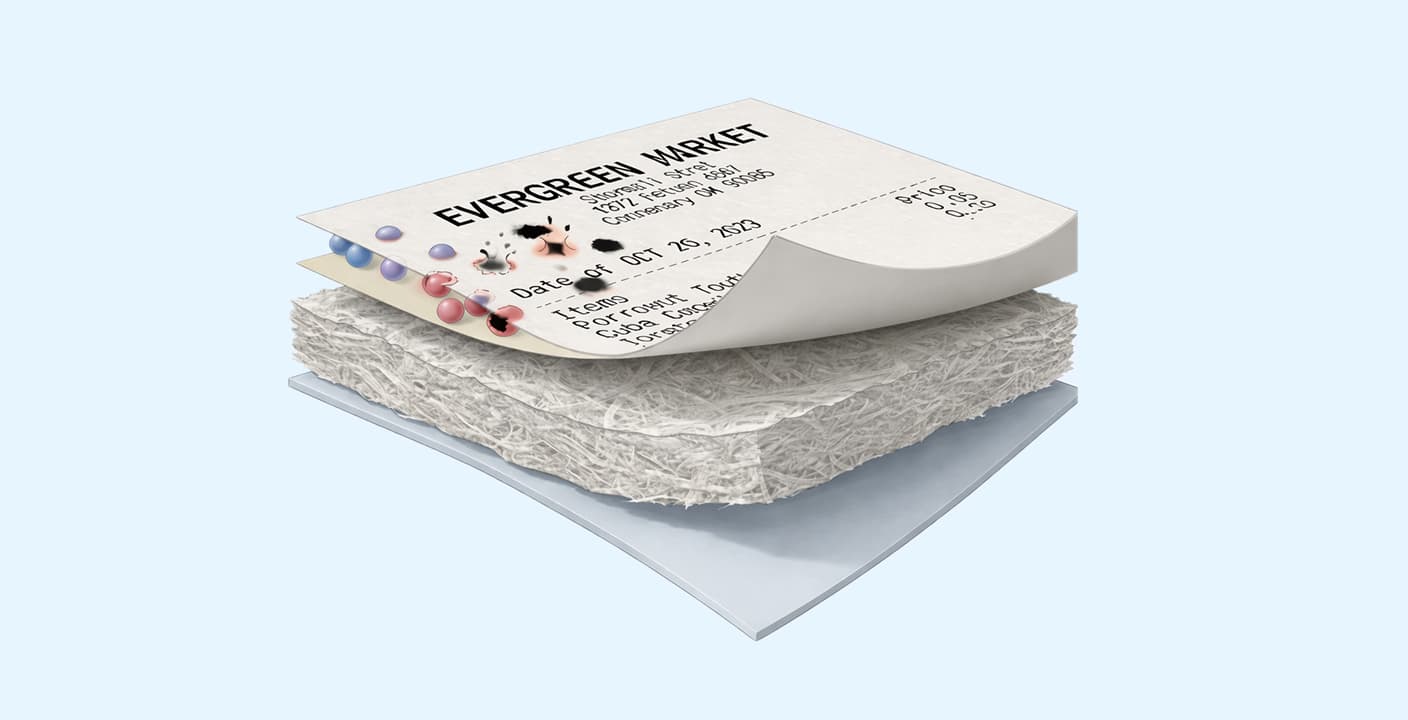
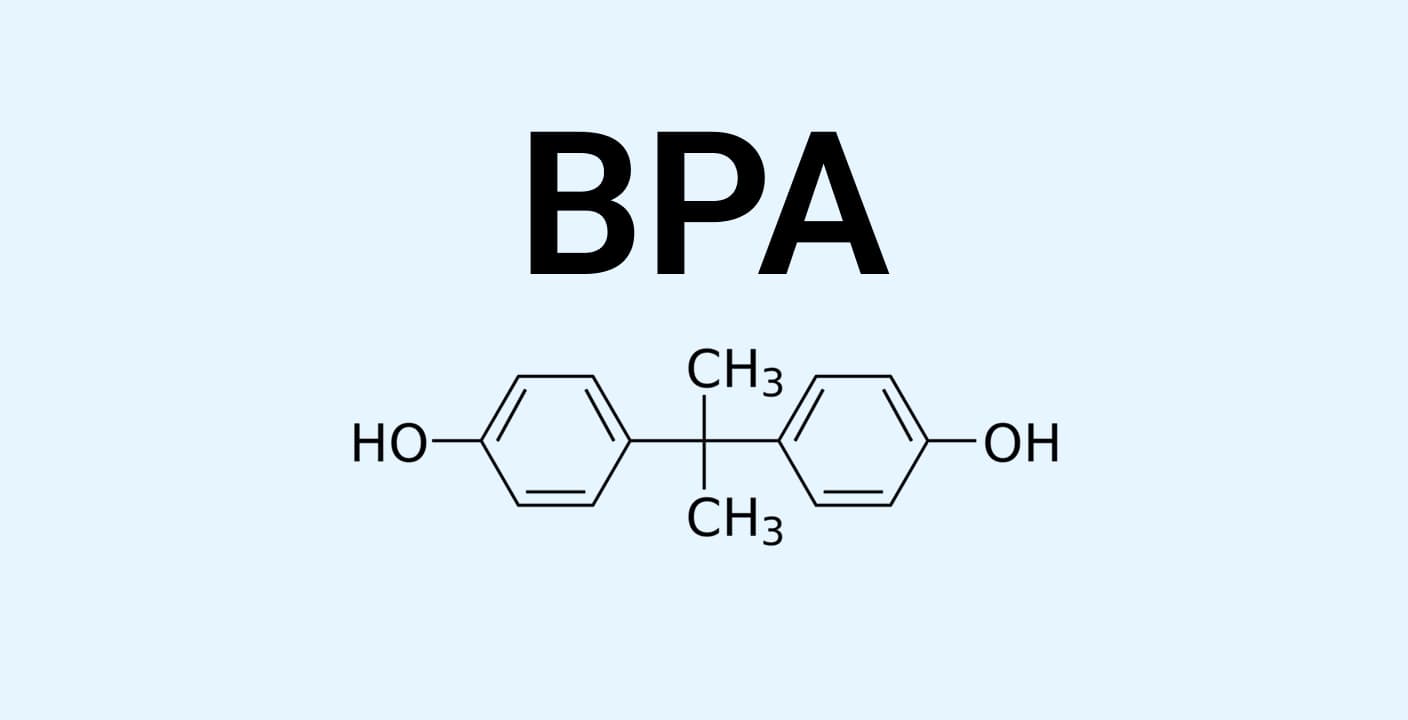
Most of us assume paper is just paper. But that shiny white slip is likely thermal paper. It relies on chemical reactions rather than ink to display your purchase details. For years that chemical reaction relied heavily on Bisphenol A. You probably know it as BPA.
We have removed BPA from water bottles and plastic containers. Yet it remains surprisingly common in the receipts we handle every day.
You want to know if you are holding a toxic sheet of paper. You want to know how to tell if a receipt has BPA .
Here is the guide on how to spot it, why it matters, and what you can do about it.
The Scratch Test
This is the fastest way to get an answer. You do not need a lab kit. You just need your fingernail or a coin.
Most receipts are printed on thermal paper. Thermal paper is coated with a mixture of a dye and a developer (often BPA or a similar chemical). When the printer head applies heat, the chemicals react and turn black.
Here's how to check:
- Lay the receipt on a flat surface.
- Take a coin or use your fingernail.
- Scratch the printed side of the paper firmly.
If the scratch leaves a dark gray or black mark: You are holding thermal paper. The friction from the scratch creates enough heat to trigger the chemical reaction. This strongly suggests the paper contains BPA or its chemical cousin BPS.
If the scratch leaves have no mark or only a faint indentation: It is likely standard paper used with traditional ink. This paper is generally safer and free from the thermal coating chemicals.
Visual Clues and Labeling
The scratch test tells you if the paper is thermal. It does not prove the presence of BPA with 100 percent certainty. Some newer papers are thermal but phenol free. You need to look closer to be sure.
Check the back of the receipt.
Many responsible suppliers now print details on the non coated side of the paper. Flip the receipt over. Look for light text that repeats phrases like BPA Free or Phenol Free .
If you see BPA Free , the paper likely uses BPS (Bisphenol S) instead. This is a replacement chemical. It acts very similar to BPA. Many experts argue BPS poses similar health risks.
If you see Phenol Free , this is the gold standard. These receipts often use Vitamin C based developers. They are safe.
Examine the Color
This is less reliable but still a helpful indicator.
Bright White: Standard thermal paper is often bright white. This is the most common type containing BPA or BPS.
Yellow or Off White Tint: Some phenol free alternatives (especially those using Vitamin C) have a slight yellow natural tint. If the paper looks slightly aged or yellow right out of the printer, it might be a safer alternative.
| Back-of-receipt label | Likely chemistry | Safety |
|---|---|---|
| No label / unbranded thermal | BPA or BPS | Endocrine disruptor; treat as unsafe |
| "BPA Free" | Likely BPS instead | Acts similar to BPA; similar health risks argued |
| "Phenol Free" | Vitamin C-based developer | Safest option (the gold standard) |
Why BPA in Thermal Paper Is a Concern
You might wonder why a tiny piece of paper matters. You are not eating the receipt.
The problem is absorption.
BPA is an endocrine disruptor. This means it mimics hormones in your body. It can confuse your body's signals. The National Institute of Environmental Health Sciences notes that BPA can interfere with the production and function of hormones like estrogen.
When you hold a thermal receipt, the BPA is not bound to the paper. It is a powdery coating. It sits on the surface. When you touch it, it transfers to your fingers instantly.
Factors that increase absorption:
- Hand Sanitizer: Using sanitizer before handling a receipt can increase BPA absorption by up to 100 times. The alcohol breaks down your skin's natural barrier.
- __Greasy or Wet Hands: __Lotions and sweat make it easier for the chemical to enter your pores.
For cashiers who handle hundreds of receipts a shift, this is a significant occupational hazard. For the average consumer, it is an unnecessary exposure to a toxic chemical.
How to Determine if Thermal Paper Is BPA Free
If the scratch test is positive, you know it is thermal. But is it BPA free?
Without a printed label on the back, you cannot tell the difference between BPA and BPS with the naked eye. They look and feel identical.
You have to rely on probability.
The Probability Rule: If a business uses thermal paper and does not advertise being BPA free, assume it contains BPA or BPS. The safer Vitamin C paper is more expensive. Businesses that pay for the safer paper usually want you to know about it. They will almost always mark it on the back.
If the paper marks black when scratched and has no safety branding on the back, treat it as a source of BPA.
If you want to be 100% sure, you can always try calling the manufacturer directly or check the product's ingredients if they are provided.
Benefits of Using BPA Free Thermal Paper
Switching to verified BPA free or phenol free paper is a smart move for businesses.
Employee Health Your staff touches these receipts all day. Removing BPA protects them from long term exposure.
Customer Trust Consumers are getting smarter. They know about toxins. advertising that your receipts are non toxic signals that you care about their well being.
Recycling Safety BPA laced receipts are a nightmare for recycling plants. One receipt can contaminate a huge batch of recycled paper pulp. It introduces BPA into new products like toilet paper or napkins. Using phenol free paper keeps the recycling stream clean.
What are the other options?
The best way to avoid BPA is to avoid the paper entirely.
Digital Receipts Many stores now offer email or text receipts. This is the safest option. It creates zero waste and zero chemical exposure. You can also use a digital receipt maker to keep your records paperless.
Phenol Free Paper As mentioned, this paper uses Vitamin C chemistry. It is yellow and safe. It works in standard thermal printers.
Practical Tips for Handling Receipts
We cannot avoid all receipts. Here is how to handle them safely.
Fold the Printed Side In The chemical coating is usually on the printed side. Fold the receipt so the printed text faces inside. This reduces the surface area you touch.
Wash Your Hands Wash your hands with soap and water after handling a stack of receipts. Do not use sanitizer immediately after touching them.
Do Not Recycle Thermal Receipts This sounds counterintuitive. But thermal receipts contaminate the recycling process. Throw them in the trash.
Summary
Checking your receipts for BPA is a simple habit that protects your health. Start with the scratch test. If it leaves a dark mark, you are dealing with thermal paper. Assume it contains BPA or BPS unless the back of the slip clearly states otherwise. The chemicals on these papers are endocrine disruptors that absorb through your skin, especially if you use hand sanitizer. The best defense is to request digital receipts whenever possible. If you have to take a paper copy, handle it as little as possible and wash your hands afterwards.
Frequently Asked Questions
Does washing hands remove BPA? Yes. Washing your hands with soap and warm water is the best way to remove BPA residue. Alcohol based sanitizers are not effective for removal and can actually help the chemical penetrate your skin.
Can I recycle receipts? No. Most thermal receipts contain BPA or BPS. If you put them in the recycling bin, they contaminate the mixture. This can spread the chemical to recycled products like tissues or egg cartons. Always throw thermal receipts in the trash.
Is BPS safer than BPA? Current research suggests BPS is not a safe alternative. It has a similar chemical structure to BPA and may pose similar health risks. The best option is phenol free paper.
How much BPA is on a receipt? A single thermal receipt can contain more BPA than the amount found in a hard plastic water bottle. Because the BPA on the receipt is a loose powder, it transfers to your body much more easily than it does from plastic.
Does the ink color matter? Yes. Blue text on a receipt often indicates a different chemical composition, but it does not guarantee safety. The scratch test works on both black and blue prints to identify thermal paper.