
What Is Receipt Paper Made Of? (And Why It Fades)

Reggie Jacobs
Founder of Receipt Maker & Document Management Expert
Understanding what's in receipt paper helps you handle them safely.
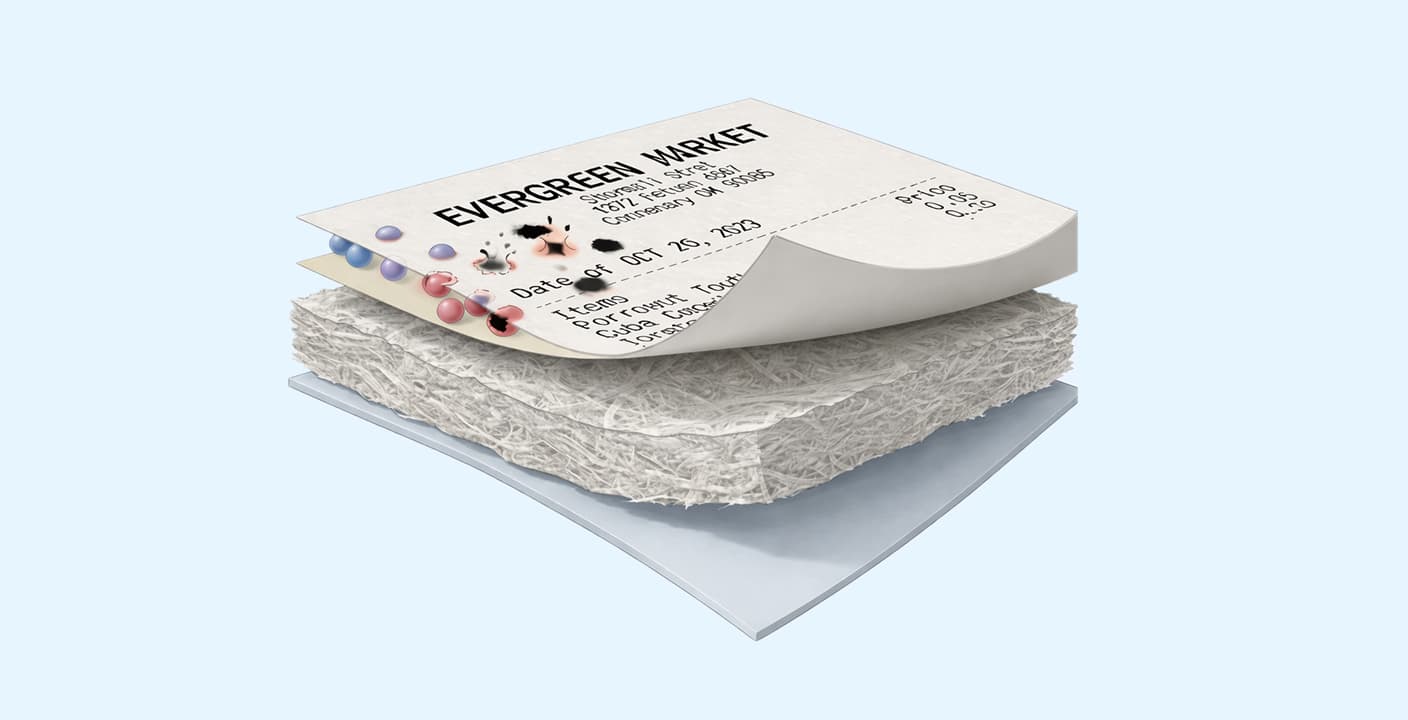
The Chemistry Breakdown
90% of receipts are thermal paper coated with a chemical formula that reacts to heat.
Three key components:
- Leuco dye - colorless at room temperature
- Developer - acidic substance that reacts with the dye
- Sensitizer - helps dye and developer mix when heated
Health concern: Most thermal paper contains BPA (Bisphenol A) or BPS (Bisphenol S) - both are potential endocrine disruptors.
Safety tip: Never recycle or burn thermal receipts. The chemicals contaminate recycling streams and release toxic fumes when burned.
You just bought a coffee. The barista hands you a slip of paper. You shove it in your pocket and forget about it. Two weeks later you find it and the text has already started to fade.
We handle these things every single day. We stuff them into wallets, scan them for expense reports, and toss them in the trash. But most of us never stop to ask what this stuff actually is. For receipts you can keep digitally without fading, use a receipt generator.
It turns out that receipt paper is a surprisingly complex piece of chemistry. It is not just wood pulp pressed into a sheet. It is a heat-sensitive material coated in chemicals that react to temperature changes.
Understanding this matters for your health and for your business. If you are trying to figure out how to organize receipts for business, knowing which ones fade and which ones are toxic is actually the first step.
Here is the deep dive on what is in your wallet.
The Short Answer: It’s Mostly Thermal Paper
If you touch a receipt today, there is a 90% chance it is thermal paper.
Thermal paper is distinct from the standard bond paper you use in your office printer. It doesn't use ink. You could try to scratch it with your fingernail. If a dark grey mark appears, that is thermal paper.
This paper is coated with a chemical formula designed to change color when exposed to heat. The printer head in the register heats up in specific patterns. As the paper passes over the thermal head, the heat triggers a reaction on the coating and turns it black. That is how the image and numbers appear.
The Chemical Coating
The magic, and the controversy, lies in the coating. Thermal paper contains a mix of three key components:
- A Dye: Usually a "leuco dye" which is colorless at room temperature.
- A Developer: This is the acidic substance that reacts with the dye.
- A Sensitizer: This helps the dye and developer mix properly when heated.
When the printer heats the paper, the dye and the developer melt together. The reaction causes the dye to shift from colorless to opaque black.
The 3 Common Types of Receipt Paper
While thermal is the king of retail, you will occasionally run into two other types depending on where you shop.
| Paper Type | How It Works | Common Use Case | Longevity |
|---|---|---|---|
| Thermal Paper | Heat turns the paper black. No ink used. | Grocery stores, gas pumps, modern ATMs. | Low. Fades quickly in heat/sun. |
| Bond Paper | Traditional paper using an ink ribbon. | Dry cleaners, older registers. | High. Lasts for years. |
| Carbonless | Pressure creates a copy on the sheet below. | Banks, handwritten invoices, contractors. | Medium. |
1. Thermal Paper
As mentioned, this is the industry standard. It is fast, quiet, and cheap because the store doesn't need to buy ink cartridges. But it has a major flaw. Because it relies on heat to show text, heat also destroys it. If you leave a thermal receipt on a hot car dashboard, it will turn completely black and become unreadable.
2. Bond Paper (Wood-Free)
This is "normal" paper. It feels thicker and more like the paper in a book. The printer physically stamps ink onto the page using a ribbon. You can tell it is bond paper because the text doesn't smear easily and scratching it with a fingernail leaves no mark.
3. Carbonless Paper (2-Ply or 3-Ply)
You see this when you need a customer copy and a merchant copy. One sheet usually has a coating of micro-encapsulated dye on the back and the next sheet has a clay coating on the front. When the printer strikes the top sheet, the capsules break and release dye onto the sheet below.
The Hidden Risks: BPA and BPS
Here is the part that concerns health experts.
To make the color-change reaction happen, manufacturers use "developers." For decades, the primary developer was Bisphenol A (BPA).
You have probably heard of BPA. It is the chemical everyone tries to avoid in plastic water bottles because it is an endocrine disruptor. It mimics estrogen in the body and has been linked to various health issues.
Can BPA be absorbed through the skin?
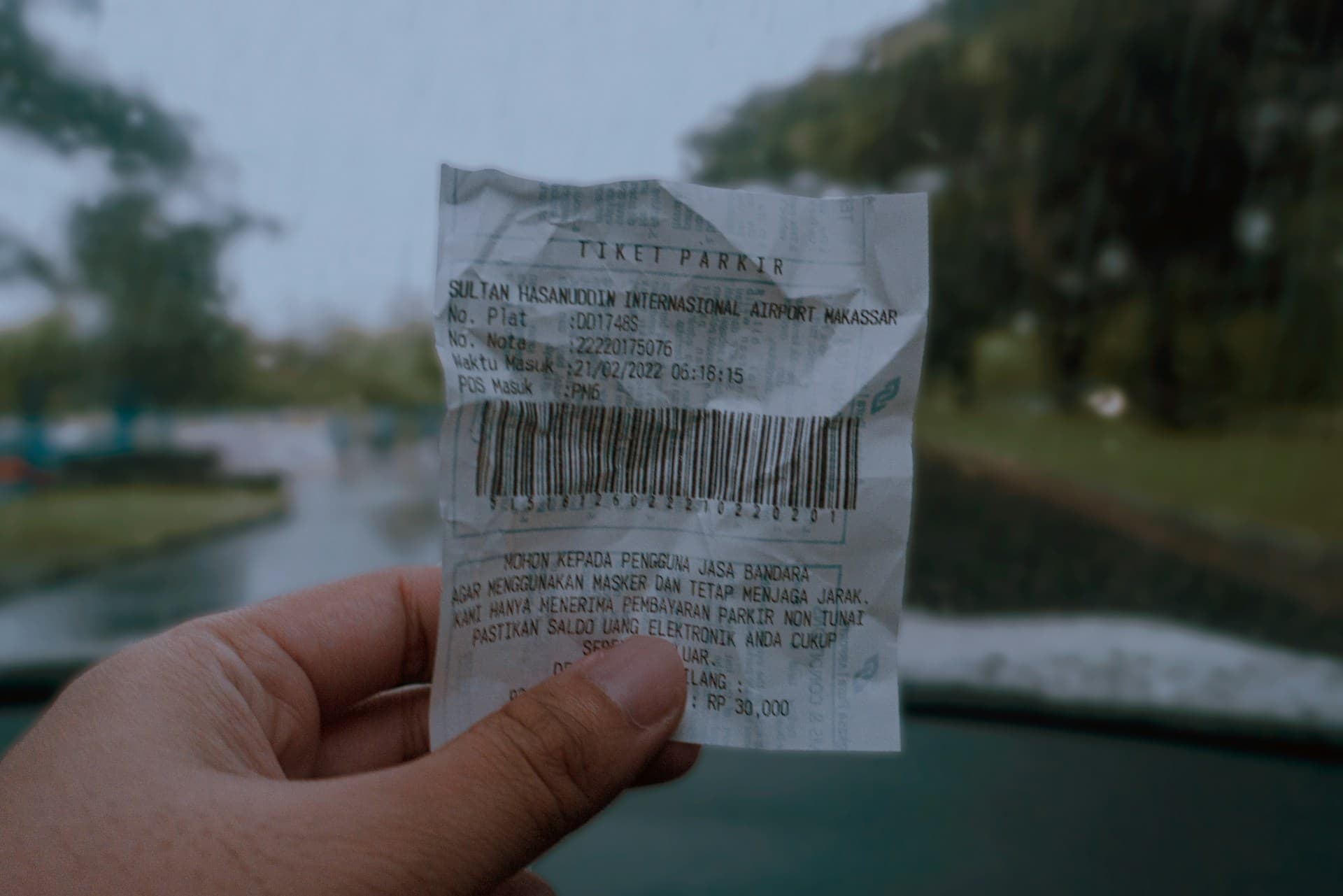
Short answer - yes. Studies have shown that handling thermal receipts can transfer BPA onto your fingers. From there it can penetrate the skin and enter the bloodstream. The transfer happens faster if your hands are wet or greasy (like after eating greasy food or using hand sanitizer).
Because of the backlash against BPA, many manufacturers switched to Bisphenol S (BPS). Marketing teams labeled this as "BPA-Free." However, recent research suggests BPS acts very similarly to BPA and may pose similar risks. It is a classic case of replacing one problem with another.
Safety Tip: If you handle receipts all day for a job, experts recommend wearing nitrile gloves or washing your hands frequently. Do not use hand sanitizer right before handling a stack of receipts as it increases chemical absorption.
Can You Recycle Receipt Paper?
This is a common mistake. Most people toss receipts in the blue bin.
You generally cannot recycle thermal receipt paper.
Because the paper is coated in BPA or BPS, recycling it introduces those chemicals into the recycled paper stream. This contaminates the pulp that eventually becomes cardboard boxes, toilet paper, or paper towels.
If you are unsure if a receipt is thermal or bond paper, the safest move is to throw it in the regular trash.
Dangerous Misuses: Rolling and Burning
People often ask if they can use receipt paper for other things when they are in a pinch. The answer is almost always a hard no.
Can you use receipt paper to roll a joint?
Absolutely not. You are inhaling a cocktail of industrial chemicals. When you smoke using receipt paper, you are burning the leuco dye, the developer (BPA/BPS), and the sensitizers directly into your lungs. This is significantly more toxic than standard rolling papers which are typically made from rice, hemp, or wood pulp without chemical coatings.
Is it safe to burn receipt paper?
No. Burning thermal paper releases the locked-in phenols and other chemical byproducts into the air. You should not use old receipts as kindling for a fire.
The Evolution: What Happened to Carbon Paper?
If you are old enough, you remember the blue messy sheets of "carbon paper" that used to sit between pages.
What replaced carbon paper?
Carbonless copy paper (often called NCR paper, or "No Carbon Required") replaced it. The old stuff used a sheet coated in wax and carbon black pigment. It was messy and stained your hands.
The new NCR paper uses the micro-encapsulation technology mentioned earlier. It is cleaner and more precise.
What is a good substitute for carbon paper?
If you need to transfer a drawing or text manually today, graphite transfer paper is the artist's choice. For business forms, NCR paper is the standard.
How many times can transfer paper be used?
Old-school carbon paper could be used dozens of times before the carbon wore off. Modern NCR paper is single-use. Once the micro-capsules on a specific spot are broken, they cannot be used again.
Summary
Receipts seem simple but they are actually sophisticated chemical products. The vast majority of receipts today are thermal paper, which works by using heat to trigger a reaction between a dye and a developer like BPA or BPS.
Because of this chemical coating, you need to handle them differently than regular paper. You cannot recycle them safely. You definitely should not burn or smoke them. And because they fade when exposed to heat or light, they are terrible for long-term record keeping.
If you run a business, knowing this helps you decide how to organize receipts for business effectively. Relying on physical thermal copies is a bad strategy because the chemicals degrade. The smartest move is to digitize them immediately. Take a picture. Scan it. Get the chemicals off your desk and the data into the cloud.
Frequently Asked Questions
Can I compost receipts?
No. The chemicals in the thermal coating (BPA/BPS) will contaminate the soil. They belong in the landfill trash, not the compost and not the recycle bin.
Why do my receipts turn black?
Thermal receipts turn black when exposed to heat or friction. If you leave them in a hot car or rub them too hard, the heat triggers the color-change reaction across the whole surface.
How can I tell if a receipt has BPA?
You can't tell just by looking. However, if the receipt is thermal (scratches grey), it likely contains either BPA or its chemical cousin BPS. Regular bond paper does not contain these developers.
Related Articles
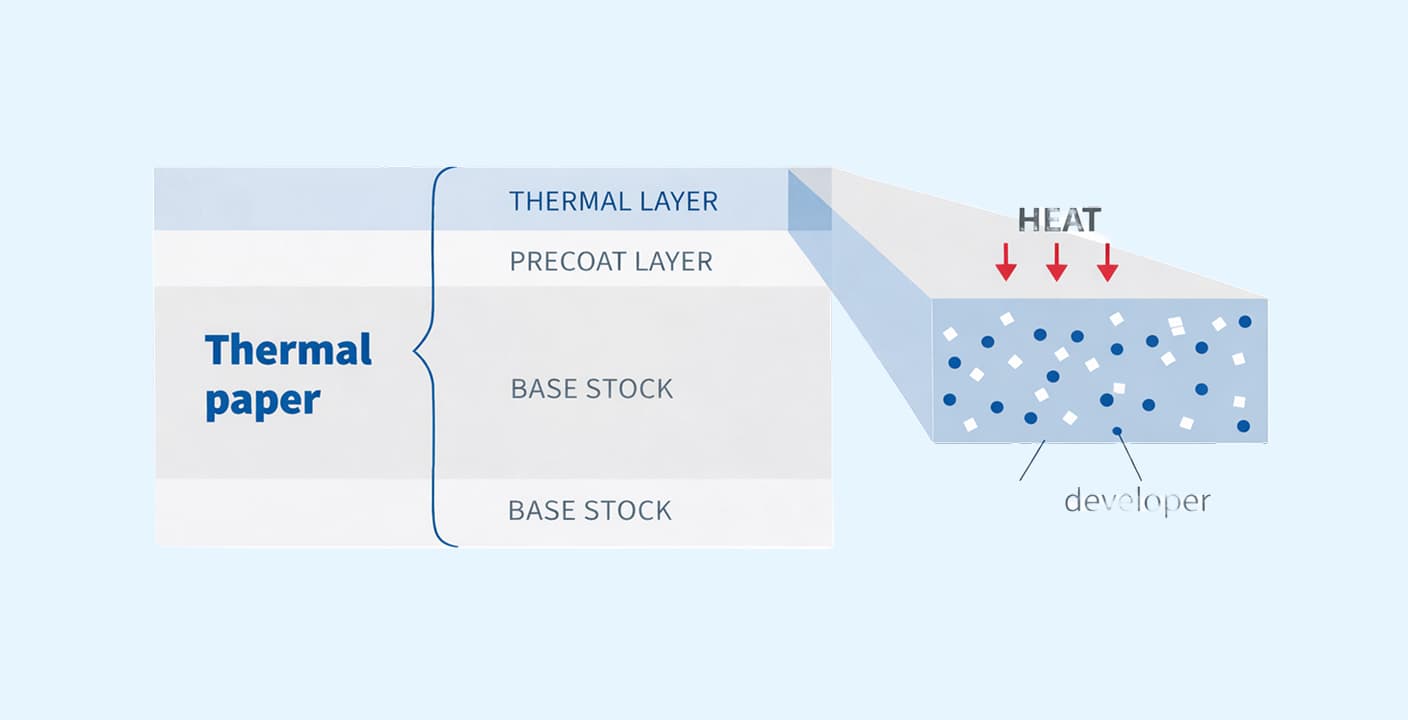
How Does Receipt Paper Work?
Thermal receipt paper doesn't use ink - it relies on a heat-activated chemical reaction. Understanding this process reveals why receipts fade and what health concerns you should know about.
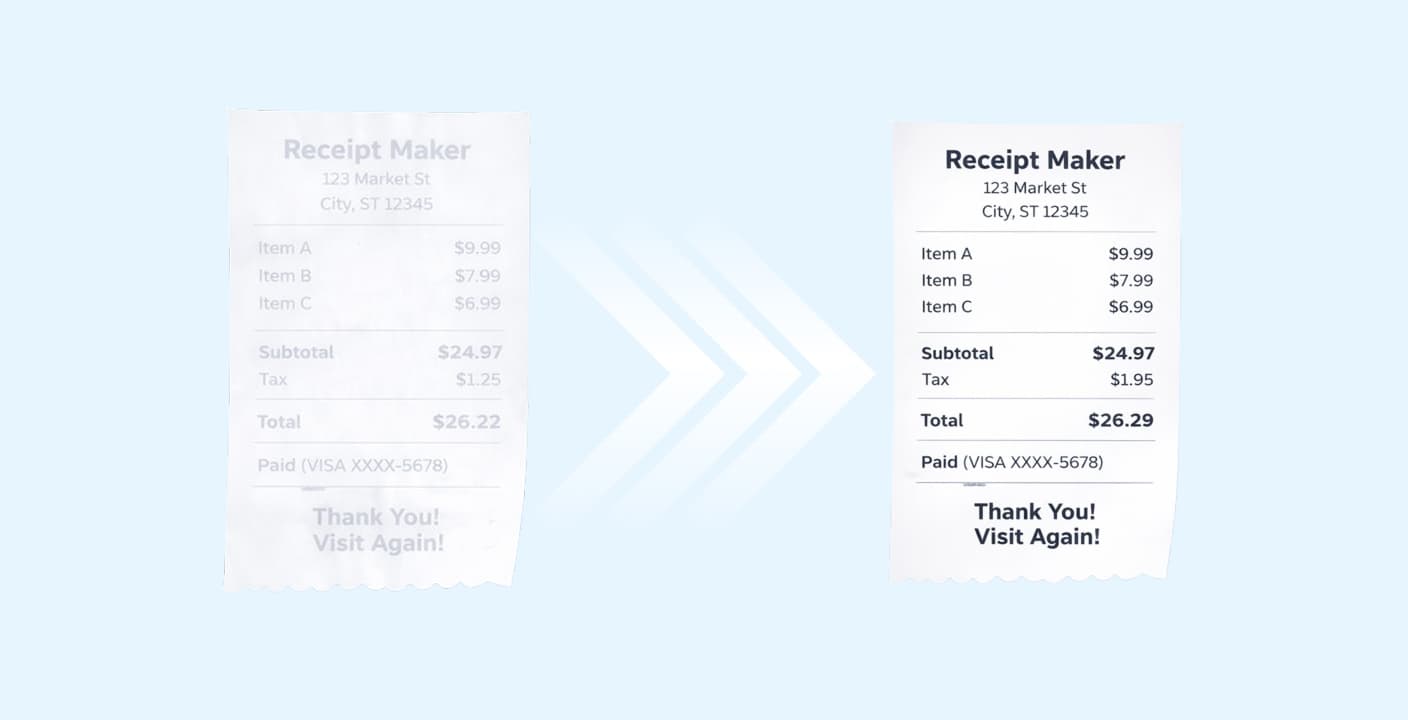
How to Keep Receipts from Fading: A Complete Guide
Thermal receipts can fade completely in months if stored incorrectly. Learn the exact storage conditions and digital backup methods to preserve your receipts for years.