
15 Different Types of Receipts

Reggie Jacobs
Founder of Receipt Maker & Document Management Expert
Not all receipts are created equal. From itemized to digital, here are the 15 types that matter for your taxes, returns, and business records.
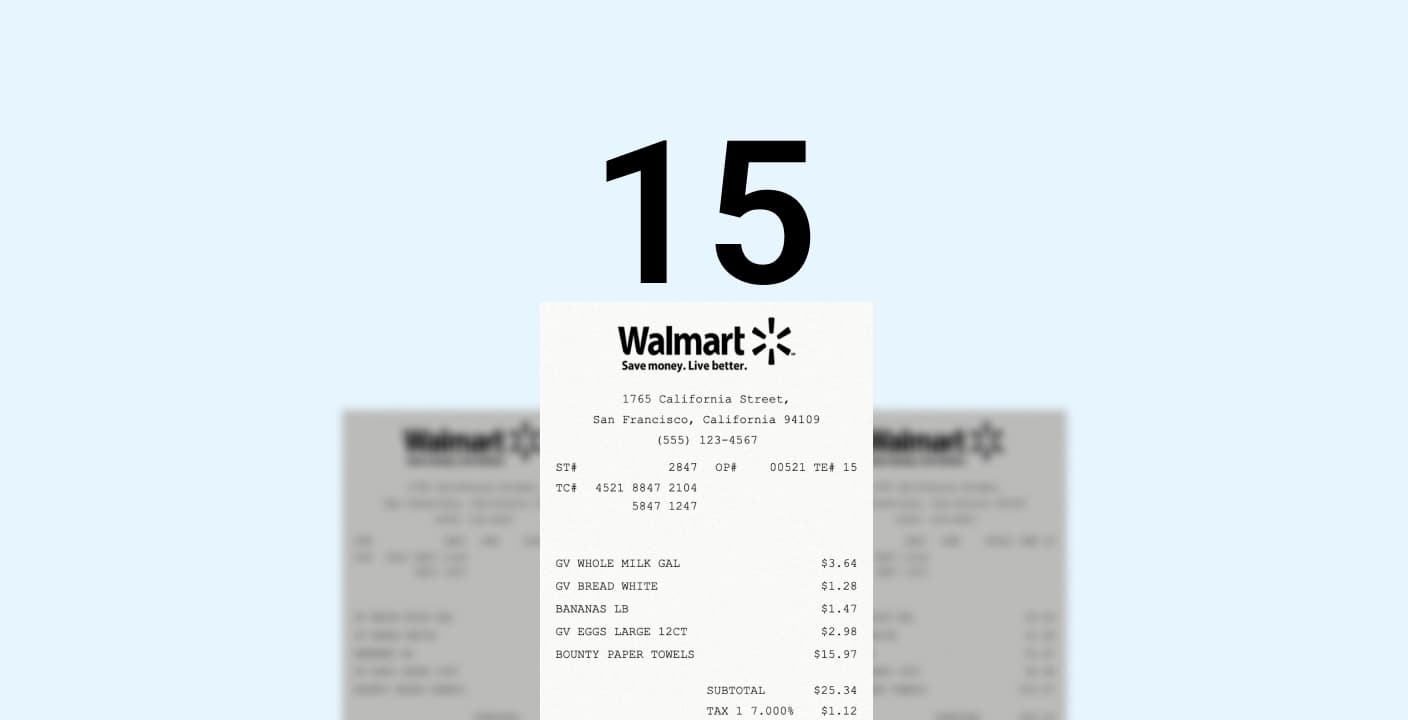
Receipt Types at a Glance
15 types of receipts you should know:
- For taxes: Itemized receipts, donation receipts, medical receipts, and travel receipts carry the most weight with the IRS
- For returns: Sales receipts and e-receipts are your best proof of purchase
- Often confused: Credit card slips alone are NOT enough for tax deductions - they lack item details
- Business essentials: Petty cash slips, invoices (marked "Paid"), and rent receipts are critical for expense tracking
Rule of thumb: If it does not show the amount, date, place, and what you bought, it is not sufficient documentation.
Most people think of receipts as the little strips of paper that clutter up their wallets or the bottom of a shopping bag. You probably crumble them up and throw them away without a second thought. But if you run a business or track expenses for a budget, those scraps of paper are actual data. They are your first line of defense during an audit and your best friend when you want to lower your taxable income.
Understanding the specific documentation you have is vital. Not all proof of payment is created equal in the eyes of the IRS or your accountant. A credit card slip tells a different story than an itemized invoice.
This guide covers exactly what you need to know about the different formats and why distinguishing between them will save your headaches later.
Importance of Understanding Receipt Types
You might wonder why you need to know the specific name of a document as long as you paid for the item. The reality is that tax authorities require specific details to validate a claim.
If you try to deduct a business lunch but only have the credit card signature slip, you are in trouble. That slip shows the total, but it does not show what you bought. The IRS wants to know if you bought lunch for a client or a bottle of wine for yourself. Only an itemized receipt tells that story.
Proper categorization also helps you track cash flow. You need to know if money went out for inventory, travel, or office supplies. If you treat every piece of paper the same, your financial data becomes a mess.
According to the IRS historical guidelines, you must have documentary evidence that supports an expense. This evidence has to show the amount, date, place, and essential character of the expense. Knowing which receipt type provides that evidence is the difference between a successful deduction and a penalty.
Receipt Formats: Paper vs. Digital
Before we look at the specific categories, we need to talk about the medium. You will encounter two main formats in the wild.
Paper Receipts
This is the classic format. It is physical proof printed at the point of sale.
The Pros:
- You get it immediately.
- It is tangible proof that feels secure in your hand.
The Cons:
- They fade. Most are printed on thermal paper which turns white over time, especially if leaving in a hot car.
- They are hard to organize. A shoebox full of paper is not a filing system.
- They get lost easily.
Digital Receipts (E-Receipts)
These are sent via email or generated by an app.
The Pros:
- They are searchable. You can find a transaction from three years ago in seconds.
- They do not degrade physically.
- They are easy to import into accounting software.
The Cons:
- They can get buried in your spam folder.
- You delete might accidentally while cleaning out your inbox.
For most modern businesses, digital is the way to go. If you get a paper copy, the best move is to snap a photo of it immediately.
15 Most Common Types of Receipts Explained
Let's dig into the specific documents you will handle. Here are the 15 most common types you need to recognize.
1. Sales Receipt
This is the standard document you get at a retail store. It proves a purchase happened. It usually includes the date, the name of the seller, and the total amount paid. It is the most basic form of proof of purchase.
2. Itemized Receipt
This is the gold standard for business expenses. Unlike a basic sales slip that might just say "Department 1" or "General Merchandise," an itemized receipt lists every single product or service purchased. It breaks down the cost per unit, tax, and labor.
Why you need it: If you are audited, this is what the auditor wants to see. It proves that the expense was actually for business purposes.
3. Credit Card Slip
This is the small piece of paper you signed at a restaurant. It shows the total amount and the tip, but it rarely shows what you actually ate or drank.
Warning: A credit card statement or signature slip is often not enough for the IRS on its own. It proves you spent money, but it does not prove what you bought. Always keep the itemized guest checking along with this slip.
4. Packing Slip
When you order goods online, the box usually arrives with a piece of paper inside listing the contents. This is a packing slip. It is used by the shipping department to ensure the order is correct.
It is important to note that a packing slip is not usually a request for payment or proof of payment. It is a document of physical inventory transfer. You should match this against your invoice to make sure you got what you paid for.
5. Invoice
An invoice is technically a request for payment, but once stamped "Paid," it functions as a receipt. In B2B (business-to-business) transactions, invoices are the standard. They contain detailed information about the buyer and seller, payment terms, and a breakdown of services.
Here is a quick comparison to help you distinguish them:
| Feature | Invoice | Receipt |
|---|---|---|
| Purpose | Request processing | Proof of payment |
| Timing | Issued before payment | Issued after payment |
| Issuer | Service provider/Seller | Seller |
6. Petty Cash Slip
Businesses often keep a small amount of cash on hand for minor expenses like coffee, postage, or office supplies. When someone takes cash from the box, they fill out a petty cash slip. This tracks who took the money, how much, and what it was for. It keeps your cash drawer balanced.
7. Donation Receipt
If you give money or goods to a charity, you need a donation receipt to claim a tax deduction. For cash donations under $250, a bank record is usually fine. But for anything over $250, you need a written acknowledgment from the charity. This document must state whether you received any goods or services in exchange for your donation.
8. Rent Receipt
If you rent office space or use a portion of your home for business, you need proof of those payments. A rent receipt from your landlord provides a paper trail that you paid your lease on time. This is vital if you are claiming a home office deduction.
9. Medical Receipt
These track health-related expenses. You need them if you pay for healthcare out of a Health Savings Account (HSA) or Flexible Spending Account (FSA). They are also necessary if you plan to deduct medical expenses on your personal tax return. They must show the date, type of service, and the patient's name.
10. Gas and Fuel Receipt
For business owners with vehicles, these are everywhere. You have two options for vehicle deductions: the standard mileage rate or actual expenses. If you choose the actual expense method, you need every single gas receipt. Even if you use the mileage method, keeping these helps track the vehicle's usage and verify your travel dates.
11. Travel and Entertainment Receipt
This category gets heavily scrutinized. These documents cover flights, hotels, and event tickets. Because these expenses can easily look like personal vacations, your documentation needs to be airtight. You should write the business purpose and the names of the people involved directly on the document or in your digital notes.
12. Gift Receipt
You have likely seen these during the holidays. A gift receipt shows proof of purchase for returns or exchanges but hides the price of the item. While not lacking useful for tax deductions (since they financial data), they are useful for inventory management if you need to exchange business equipment.
13. Gross Receipts
This is an accounting term rather than a slip of paper you put in your pocket. Gross receipts refer to the total amounts the organization received from all sources during its annual accounting period, without subtracting any costs or expenses. You will see this term often when filing business taxes.
14. Return Receipt (Credit Memo)
When you take an item back to the store, you get a return receipt or a credit memo. This proves that money was refunded to your account. It is essential for bookkeeping because it reverses an expense. If you track the purchase but not the return, your books will show expenses you did not actually incur.
15. E-Receipts
As mentioned in the format section, this is the digital version of any of the above. It is becoming the default for many retailers.
Lost Your Receipt?
It happens to the best of us. You bought supplies for a project, paid cash, and the slip of paper fell out of your pocket or went through the wash.
If you have lost a receipt but have the bank transaction data to prove the purchase, you can reconstruct the documentation. You can use our receipt template tool to generate a replacement receipt for your records. This allows you to maintain a complete paper trail for your accounting software and ensures you do not miss out on a valid deduction just because of a lost piece of paper.
Summary
Managing financial documents is not the most exciting part of running a business, but it is one of the most important. We have covered that a receipt is more than just trash; it is data.
You learned about the difference between paper and digital formats and why digital is generally safer for long-term storage. We walked through the 15 most common types you will encounter, ranging from the detailed itemized receipt to the specific donation acknowledgment.
Remember that the IRS requires proof that shows the who, what, where, when, and how much of a transaction. A simple credit card slip often isn't enough. By eliminating these different documents, you can ensure you are keeping the right records, maximizing your deductions, and protecting yourself in case of an audit.
Frequently Asked Questions
How long should I keep my receipts?
The IRS generally recommends keeping records for three years from the date you filed your original return. However, if you file a claim for a loss from worthless securities or bad debt deduction, you should keep them for seven years.
Can I throw away paper receipts if I scan them?
Yes. The IRS accepts digital copies of documents as long as they are legible and identical to the original. Once you have a clear backup, you can shred the paper version.
What is the difference between an invoice and a receipt?
An invoice is a request for payment sent by a seller to a buyer. A receipt is the proof that the payment has actually been made. You receive an invoice before you pay and a receipt after you pay.
Is a credit card statement enough for taxes?
Usually, no. A bank statement shows the amount and the merchant, but it does not show the specific items purchased. To be safe during an audit, you should keep the itemized receipt that details exactly what was bought.
Related Articles
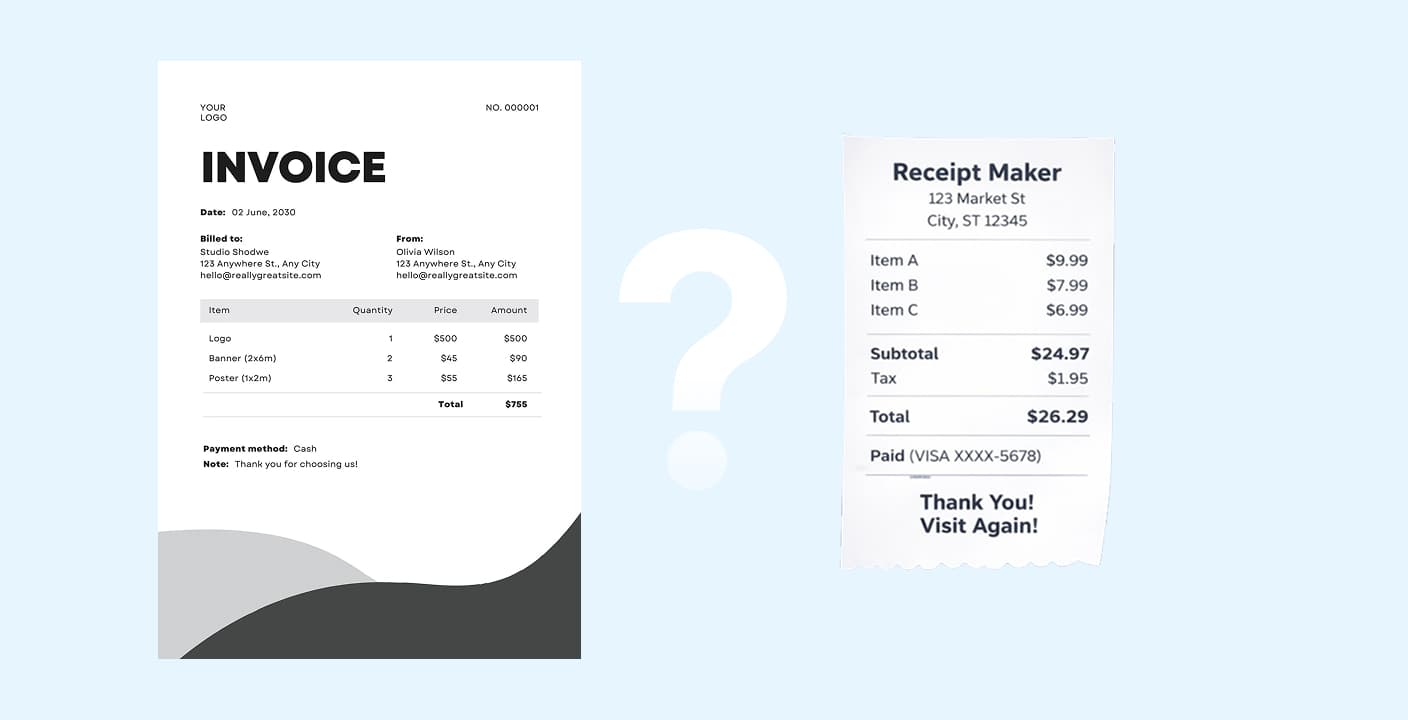
Invoice vs Receipt: What's the Difference?
An invoice requests payment before money changes hands. A receipt confirms payment after it's complete. Mixing them up can delay payments and cause tax audit problems.
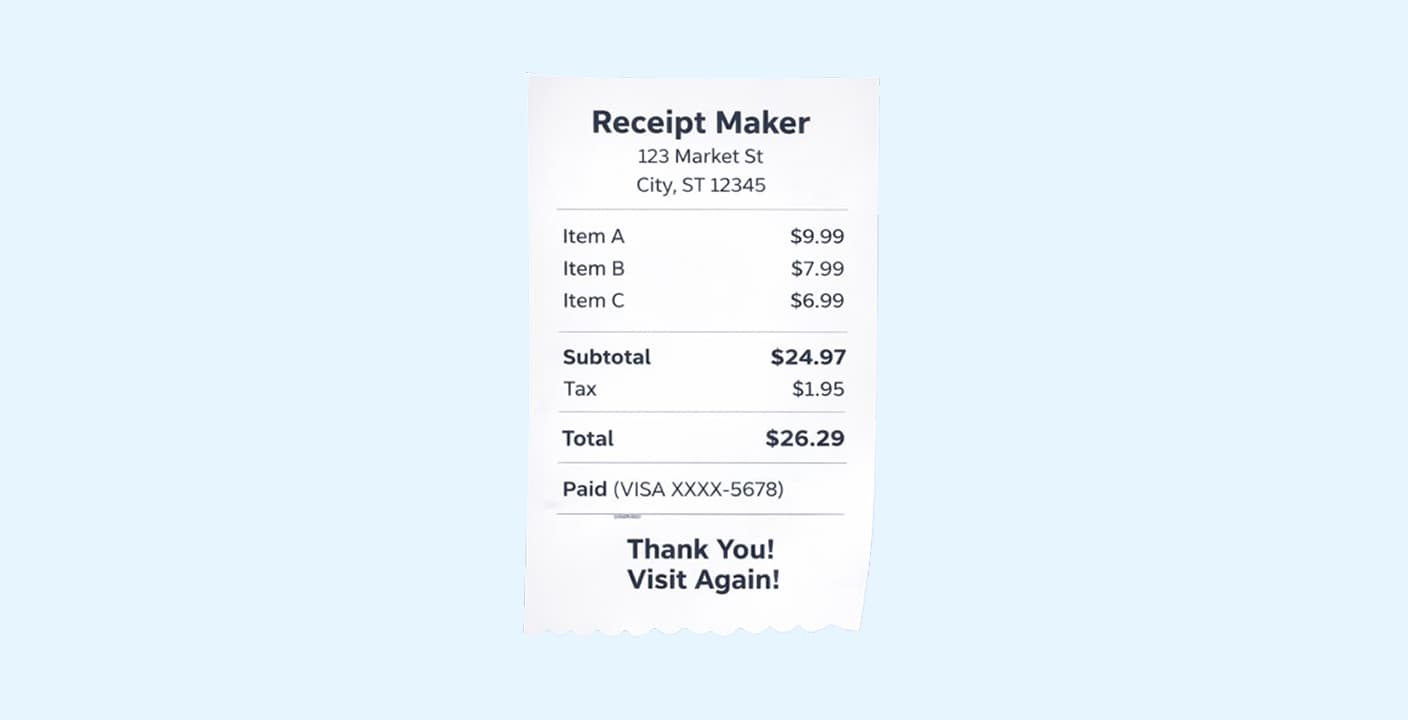
What Is an Itemized Receipt
An itemized receipt lists every product or service in a transaction with individual prices. Learn why it's essential for tax deductions, reimbursements, and audits.